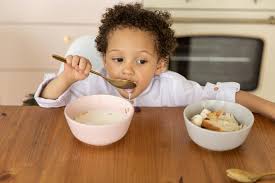
Managing a toddler’s diet during diarrhea is crucial to ensure they stay hydrated and get the necessary nutrients for recovery. Here are some guidelines:
1. Hydration
Fluid intake is the most important aspect of managing diarrhea:
- Oral Rehydration Solutions (ORS): Use solutions like Pedialyte or other ORS available over the counter. These are specially formulated to replace lost electrolytes and fluids.
- Breast milk or formula: Continue breastfeeding or formula feeding as usual. Breast milk is particularly beneficial.
- Clear fluids: Small amounts of water, broth, or diluted fruit juices can help keep them hydrated.
2. Diet
While managing a toddler’s diet during diarrhea, focus on foods that are gentle on the stomach and can help firm up stools:
BRAT Diet
The BRAT diet is often recommended because it includes low-fiber foods that can help make stools firmer:
- Bananas: Easy to digest and provide potassium.
- Rice: Plain white rice can help firm stools.
- Applesauce: Contains pectin, which can help firm stools.
- Toast: Plain toast is easy to digest and helps with hydration.
Other Foods
- Yogurt: Contains probiotics which can help restore the balance of good bacteria in the intestines.
- Boiled potatoes: Plain, without added butter or oils.
- Carrots: Cooked carrots are easy to digest.
- Plain crackers or pretzels: These are easy on the stomach.
3. Foods to Avoid
Certain foods can exacerbate diarrhea and should be avoided:
- Dairy products: Apart from yogurt, dairy can be hard to digest during diarrhea.
- Fatty foods: Greasy and fried foods can be difficult to digest.
- Sugary foods: Sugar can worsen diarrhea by drawing water into the intestines.
- Spicy foods: Can irritate the digestive system.
- High-fiber foods: Raw fruits and vegetables, whole grains, and legumes can be hard to digest.
4. Monitoring and Medical Attention
- Monitor hydration: Keep an eye on signs of dehydration such as dry mouth, lack of tears, and reduced urine output.
- Consult a doctor: If diarrhea persists for more than a few days, is accompanied by a high fever, blood in stools, or if the toddler shows signs of dehydration, seek medical attention immediately.
5. Gradual Reintroduction
As the toddler begins to recover:
- Gradually reintroduce foods: Slowly reintroduce regular foods as their condition improves.
- Balanced diet: Ensure they return to a balanced diet with all food groups once they are fully recovered.
6. Probiotics
- Probiotic supplements: These can sometimes help restore gut health. Consult with a pediatrician before giving any supplements.
Summary
- Hydration is key: Use ORS, breast milk, and clear fluids.
- Gentle foods: Follow the BRAT diet and introduce other easy-to-digest foods like yogurt and boiled potatoes.
- Avoid irritants: Steer clear of dairy (except yogurt), fatty foods, sugary items, spicy foods, and high-fiber foods.
- Monitor and adjust: Keep an eye on the toddler’s condition and consult a healthcare provider if necessary.
Always consult with a pediatrician for personalized advice and before making any significant changes to your toddler’s diet, especially during illness.